When Repairs Are No Longer Enough: 5 Signs It Is Time to Upgrade
We routinely see property owners relying on temporary patch jobs right up until the monsoon rains overwhelm their ceilings, completely ignoring the 5 signs it is time for a full replacement.
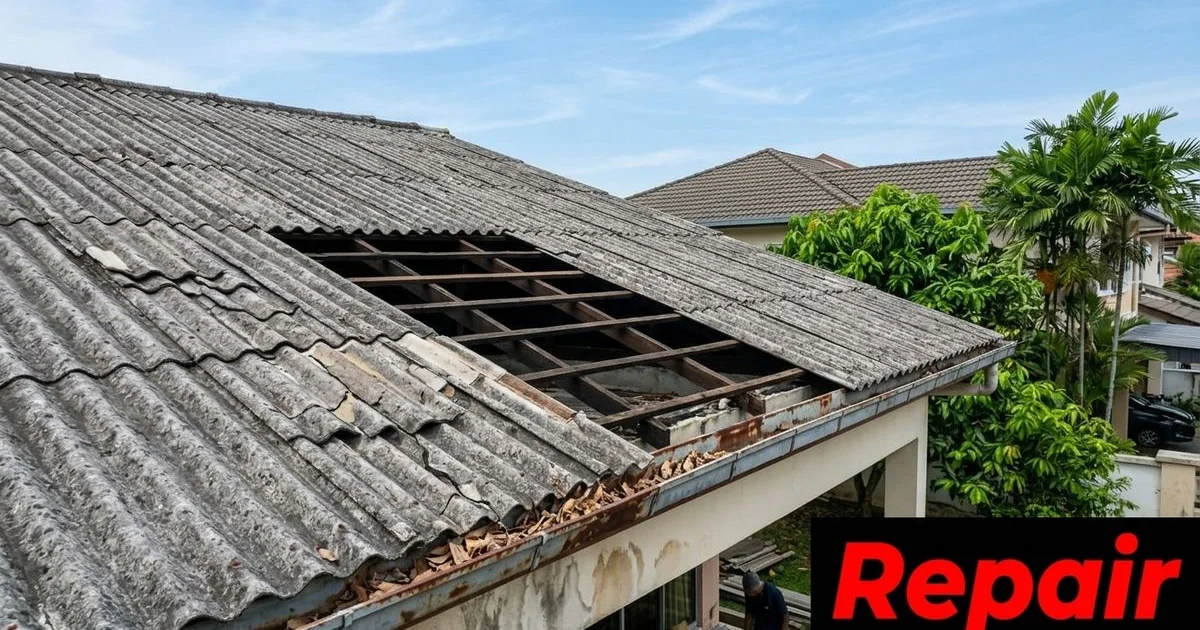
This reactive cycle is incredibly common across Malaysia. Every roof has a finite lifespan, and materials like concrete tiles, clay tiles, metal decking, and asbestos cement sheets inevitably deteriorate under tropical heat and heavy rainfall.
Our team understands the financial hesitation behind putting off a major renovation. Delaying a necessary upgrade, however, often leads to severe water infiltration, structural timber rot, and hazardous electrical faults that cost far more than a fresh installation. Professional roof repair can address some issues, but sometimes full replacement is the only solution.
We are going to break down the exact indicators that your overhead protection has reached the end of its serviceable life. Read on to discover the specific warning signs and learn how to make a practical, cost-effective decision for your property.
1. Your Roof Is Beyond Its Expected Lifespan
Our experience shows that age is the most reliable predictor of impending roofing failures. Different materials possess distinct expected lifespans under intense Malaysian weather conditions:
- Concrete tiles: 25 to 35 years (Brands like BMI Monier are highly durable, but their protective surface coatings eventually erode).
- Clay tiles: 30 to 50 years.
- Metal deck (zincalume or colorbond): 20 to 30 years.
- Asbestos cement sheets: 25 to 40 years (These require professional removal due to severe health hazards).
- Polycarbonate or fibreglass sheets: 10 to 15 years.
We advise homeowners to routinely check their gutters for a chalky, sandy residue. This material buildup is a primary indicator that concrete tiles are actively shedding their protective glaze.
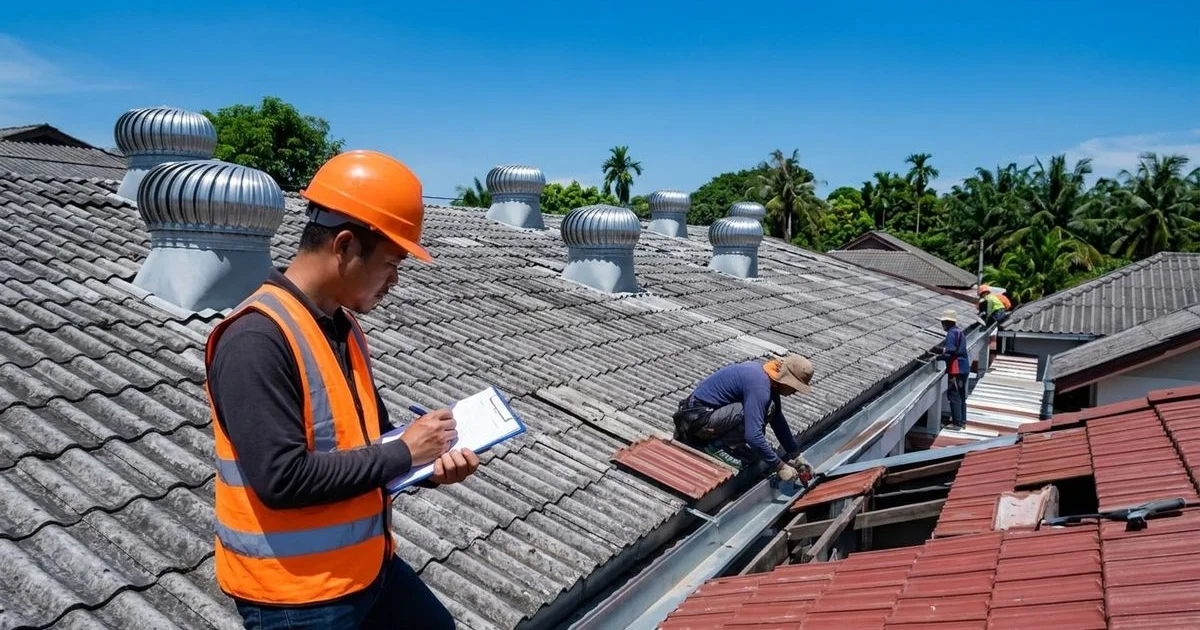
Our inspectors frequently find hidden micro-cracks and corroded fixings during routine assessments, even if obvious problems remain invisible from the ground. Many homes in established Klang Valley neighbourhoods like SS2, Taman Tun Dr Ismail (TTDI), Bandar Utama, and older parts of Shah Alam feature installations that are now 30 to 40 years old.
We strongly recommend scheduling a professional evaluation if your property falls into this demographic. A timely inspection prevents minor degradation from turning into a major interior leak.
2. Widespread Tile Damage Across Multiple Sections
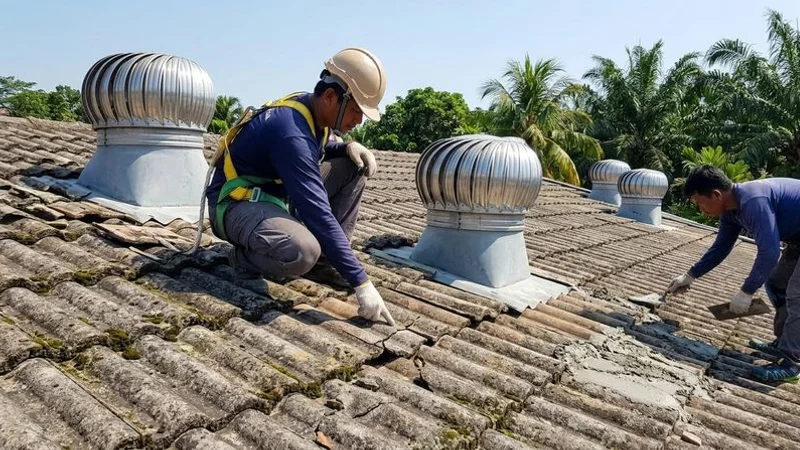
Our crews can easily handle a handful of cracked or broken pieces as a standard maintenance task. Individual patching becomes impractical and highly uneconomical when damage spreads across large sections of your property.
We consider the entire surface compromised once deterioration occurs on multiple planes. Here are the most common indicators of widespread surface failure:
- Cracked, chipped, or flaking pieces visible on multiple sloped planes.
- Surfaces that have lost their glaze, appearing rough, porous, and faded.
- Multiple units that have shifted or slipped completely out of position.
- Inability to source matching replacements because the specific 1990s profile is no longer manufactured.
- A chaotic patchwork appearance resulting from numerous previous fixes using mismatched batches.
| Consideration | Localised Patching | Complete Replacement |
|---|---|---|
| Best For | Isolated impact damage (e.g., fallen tree branches). | Widespread ageing and multiple leak points. |
| Material Matching | High risk of mismatched colours and profiles. | 100% uniform appearance and modern styling. |
| Long-Term Value | Temporary fix, highly prone to future failures. | Guaranteed longevity with new manufacturer warranties. |
Our suppliers frequently confirm that sourcing exact matches for 30-year-old profiles is nearly impossible today. Replacing one weakened section usually just transfers the stress and water flow to the next oldest area.
We have learned that complete roof replacement provides a uniform, reliable result that piecemeal fixes simply cannot achieve. A fresh installation guarantees complete water tightness and restores the aesthetic value of your home.
3. Persistent Leaks Despite Repeated Repairs
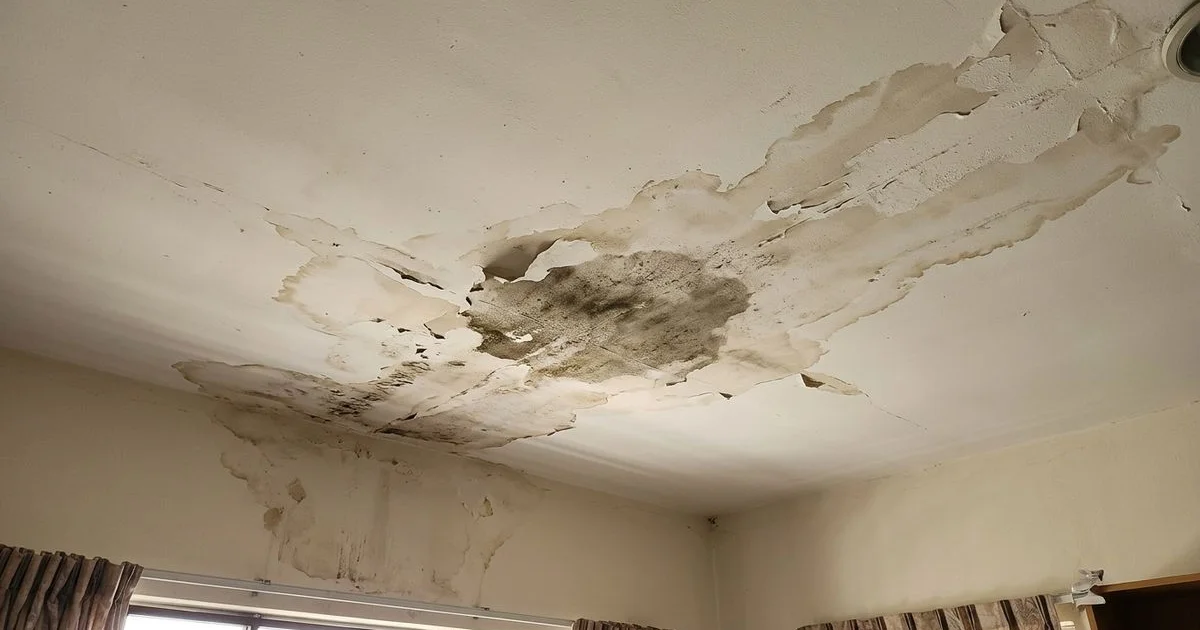
Our team regularly speaks with frustrated homeowners who have paid for the same leak to be fixed three or four times. Persistent water ingress strongly indicates that the underlying structure is compromised far beyond what a tube of silicone can resolve.
We see these recurring issues peak violently during the Northeast Monsoon season between November and March. Heavy, continuous rain exposes every single weakness in your overhead protection.
- Fixing a drip in one room, only to discover a new puddle elsewhere within months.
- Active dripping during heavy downpours despite recent contractor visits and waterproofing coats.
- Expanding water stains that ruin your plaster ceiling shortly after painting.
- Damp, musty odours lingering in upper bedrooms, even during dry weather.
- Mounting maintenance bills that provide zero long-term peace of mind.
Our inspections often reveal that the reflective sisalation paper, the crucial waterproof membrane beneath the tiles, has become brittle and torn after decades of extreme attic heat. Timber battens and rafters also warp under prolonged moisture exposure, preventing your tiles from sitting flat and sealing correctly against each other.
We compare continuing to patch a surface in this condition to wrapping tape around a crumbling garden hose. Each repair holds temporarily, but catastrophic failure remains imminent.
4. Sagging, Warping, or Structural Deformation
Our structural assessments treat any visible sagging, dipping, or uneven ridge lines as a severe safety emergency. Deformation viewed from the street indicates that the underlying timber framework has lost its load-bearing capacity.
We consistently trace these catastrophic failures back to a few specific local threats. Understanding these root causes helps you take preventative action before a partial collapse occurs.
- Termite infestations: The Asian subterranean termite (Coptotermes gestroi) is responsible for up to 90% of insect-related structural damage locally, hollowing out wood from the inside while leaving a deceptively perfect exterior.
- Prolonged water rot: Persistent moisture exposure softens traditional timber rafters, causing them to bow under the immense weight of concrete tiles.
- Overloaded framework: Many older properties originally featured lightweight materials but were later upgraded to heavier tiles without adding necessary structural reinforcements.
- Substandard original construction: Undersized timbers or inadequate bracing gradually warp and fail after decades of carrying heavy loads.
We strongly urge you to book an immediate inspection if your doors and windows suddenly become difficult to open, as this signals active structural shifting. Severe framework deformation usually requires a complete tear-off and rebuild.
Our modern rebuilds typically replace damaged wooden rafters with lightweight, termite-proof steel trusses through professional roof truss repair for permanent peace of mind. This material upgrade eliminates the risk of future insect infestations entirely.
5. Escalating Energy Costs and Indoor Discomfort
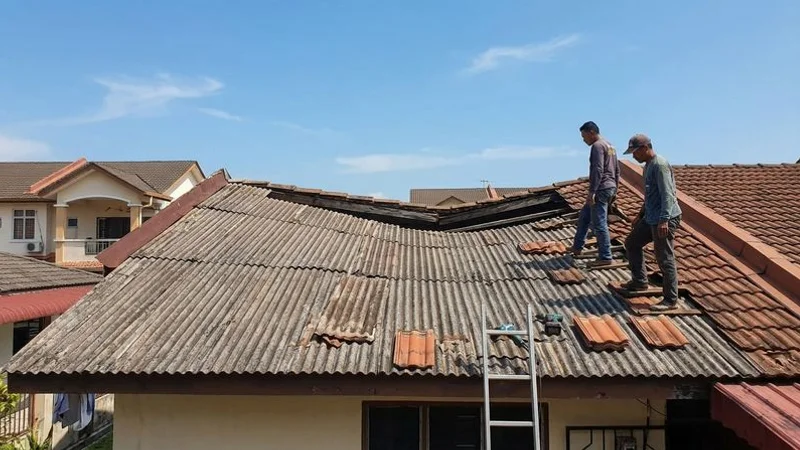
Our energy audits frequently reveal that a deteriorating exterior drastically impacts your indoor thermal performance. Ageing materials lose their insulating and solar-reflective properties, transforming your attic into a massive heat trap.
We find that concrete units, which once reflected harsh sunlight, become porous and absorb intense afternoon heat as their coatings degrade. Metal decking similarly conducts extreme temperatures downward once its protective layer burns off.
- Upper floors that feel noticeably hotter than ground levels, particularly between 2 PM and 5 PM.
- Air conditioning compressors running constantly without ever reaching the set temperature.
- Steady increases in your monthly utility bills despite no changes in your daily usage habits.
- Attic space temperatures dangerously exceeding 55 to 60 degrees Celsius.
We remind clients that Tenaga Nasional Berhad (TNB) implemented new electricity tariff structures under Regulatory Period 4 (RP4) starting in 2025. With effective rates for many households hovering around 44.43 sen per kWh, forcing an air conditioner to battle a 60-degree attic wastes hundreds of Ringgit annually.
Our installations utilise modern materials featuring superior thermal resistance and dedicated reflective foil layers. A well-ventilated, newly built structure can drop upper-floor temperatures by 5 to 10 degrees Celsius.
We have calculated that the resulting 15 to 25 percent reduction in cooling costs helps a complete roof replacement pay for itself over time. Lowering your daily energy consumption is a smart financial strategy in today’s economy.
What to Expect from a Roof Replacement
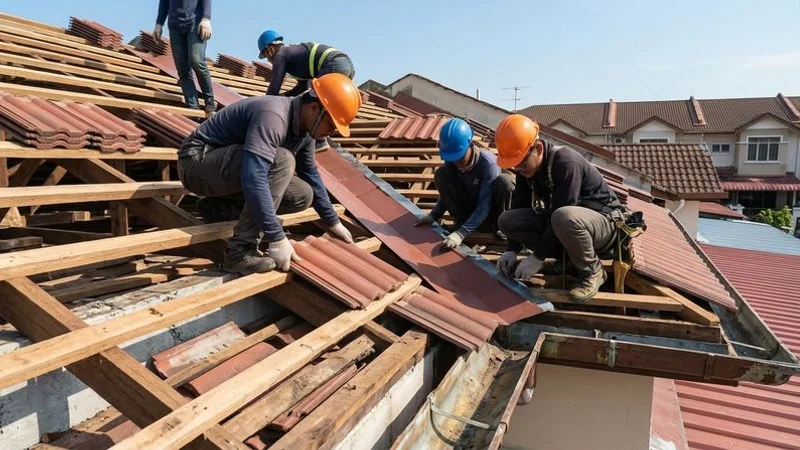
Our process is designed to be fully transparent, helping you plan effectively if your property shows these warning signs. A qualified contractor will thoroughly inspect the existing exterior, evaluate the timber underneath, and recommend a practical path forward.
We always provide a detailed written quotation before any work commences. This document outlines every critical aspect of the project to ensure there are no surprises.
Assessment and Quotation Specifications
- Scope of work: Clear definition between partial patching and full teardowns.
- Materials specified: Exact brands of tiles, metal sheets, waterproof underlays, and fixings.
- Timeline and access: Expected duration and requirements for heavy machinery or material delivery.
- Warranty terms: Comprehensive guarantees covering both materials and installation labour.
Phase 1: Preparation and Inspection
We adhere strictly to Construction Industry Development Board (CIDB) safety regulations during every phase of the project. Proper execution requires precise planning and skilled labour.
- Scaffolding and safety setup: Secure access platforms are erected around the perimeter to protect workers and your property.
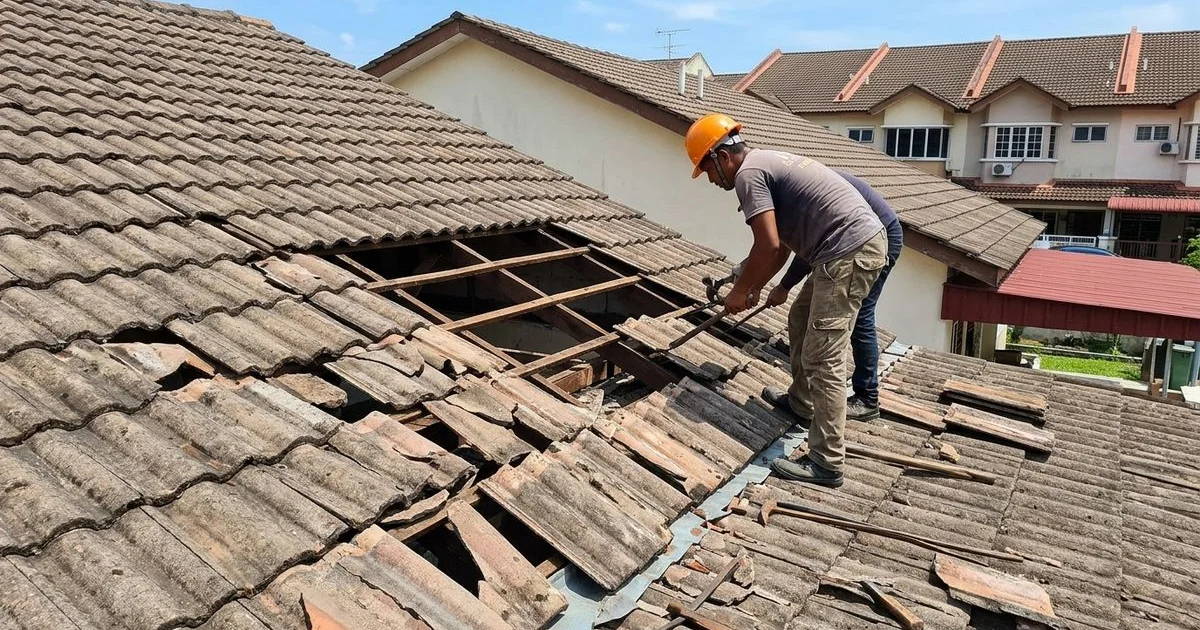
- Old material removal: Existing tiles, wooden battens, and degraded underlayment are carefully stripped away and discarded.
- Structural assessment: Exposed framework is examined for rot, and any termite-damaged sections are immediately removed.
- Foundation upgrades: Fresh, treated battens and heavy-duty waterproof membranes are secured in place.
Phase 2: Installation and Finishing
- Fresh exterior covering: The selected tiles or metal decking are laid perfectly according to the manufacturer’s precise specifications.
- Ridge and hip finishing: Ridge caps, hip joints, and edge details are cemented and sealed for maximum wind resistance.
- Flashing and waterproofing: All wall junctions, pipe penetrations, and valley gutters are heavily sealed against water intrusion.
- Final quality audit: The completed project is rigorously tested, and all construction debris is cleared from your site.
Our supervisors conduct a final walkthrough with you to ensure complete satisfaction. The site is left spotless, allowing you to enjoy your secure, newly upgraded home immediately.
Making the Decision
Our pricing data indicates that a standard terrace house upgrade in the Klang Valley typically requires an investment of RM 15,000 to RM 50,000.
The final price depends heavily on the chosen materials and the volume of structural framework that requires rebuilding. We urge clients to weigh this upfront capital against the compounding expenses of constant patching, ruined plaster ceilings, and inflated electricity bills.
A timely, comprehensive upgrade is nearly always the most economical strategy over a five-year period. Our consultants are ready to conduct a professional assessment if you recognise any of these 5 signs it is time to act in your own building.
An honest evaluation will clearly dictate whether a simple fix is viable or if starting fresh is your safest option.
Taking proactive measures now prevents you from enduring a stressful, expensive emergency during a torrential downpour. Reach out to secure your inspection today.
We always prioritize honest, data-driven advice to protect your most valuable asset. Securing your property before the next monsoon guarantees a dry, comfortable interior for decades to come.
Razif Ibrahim
Licensed Roofing Contractor
Lead roofing contractor with 20+ years of experience serving the Klang Valley.