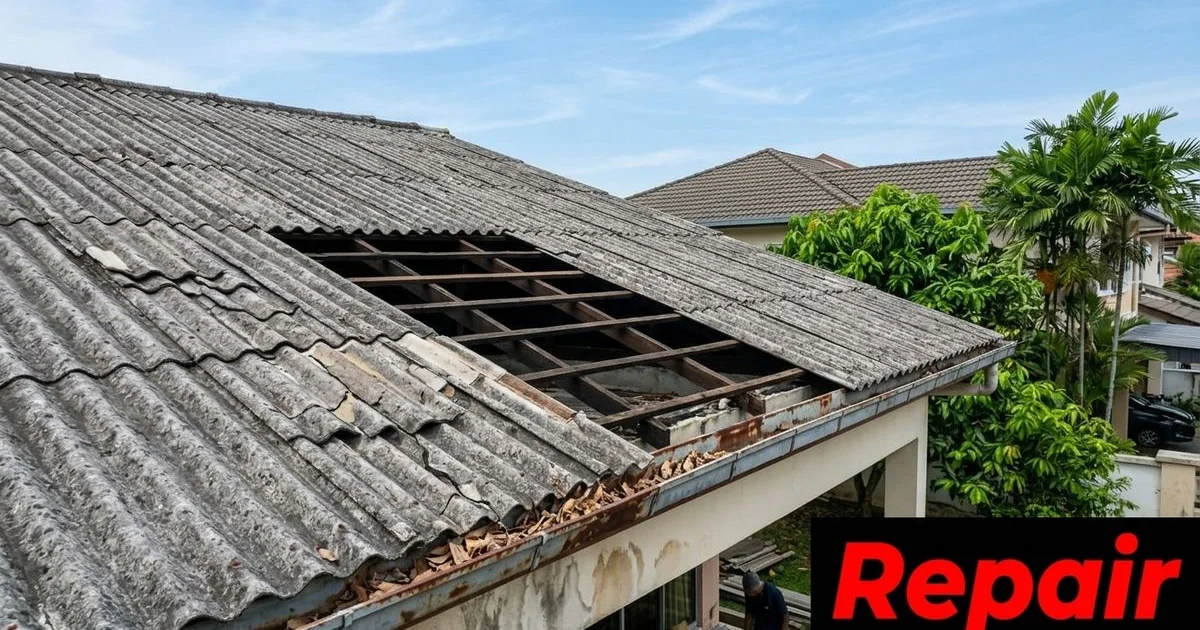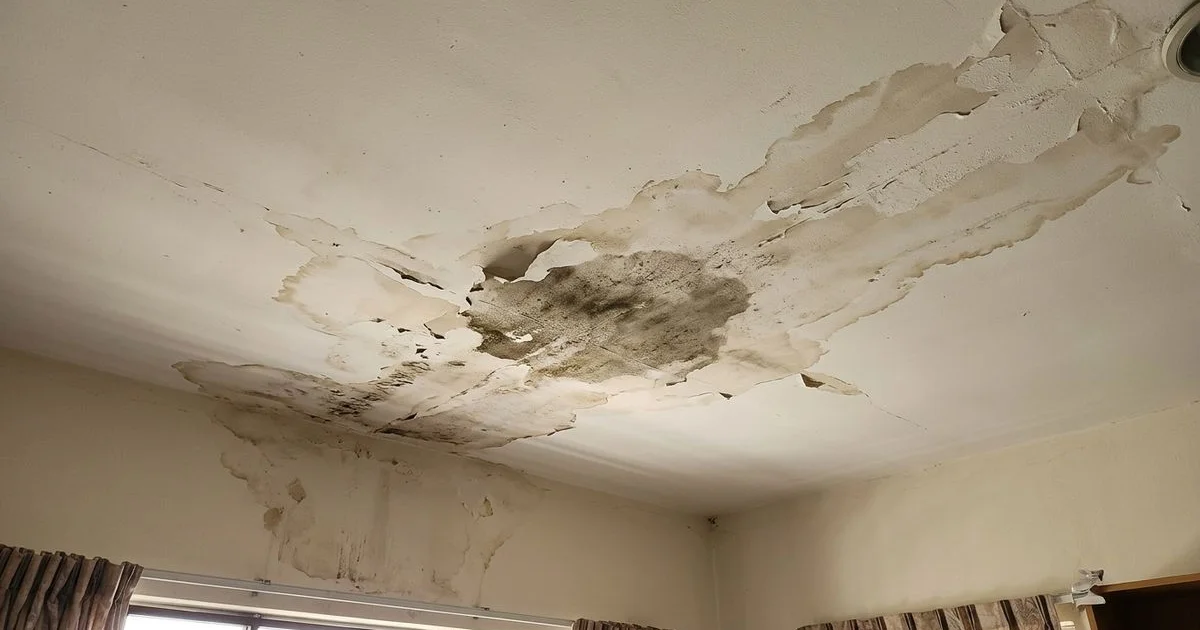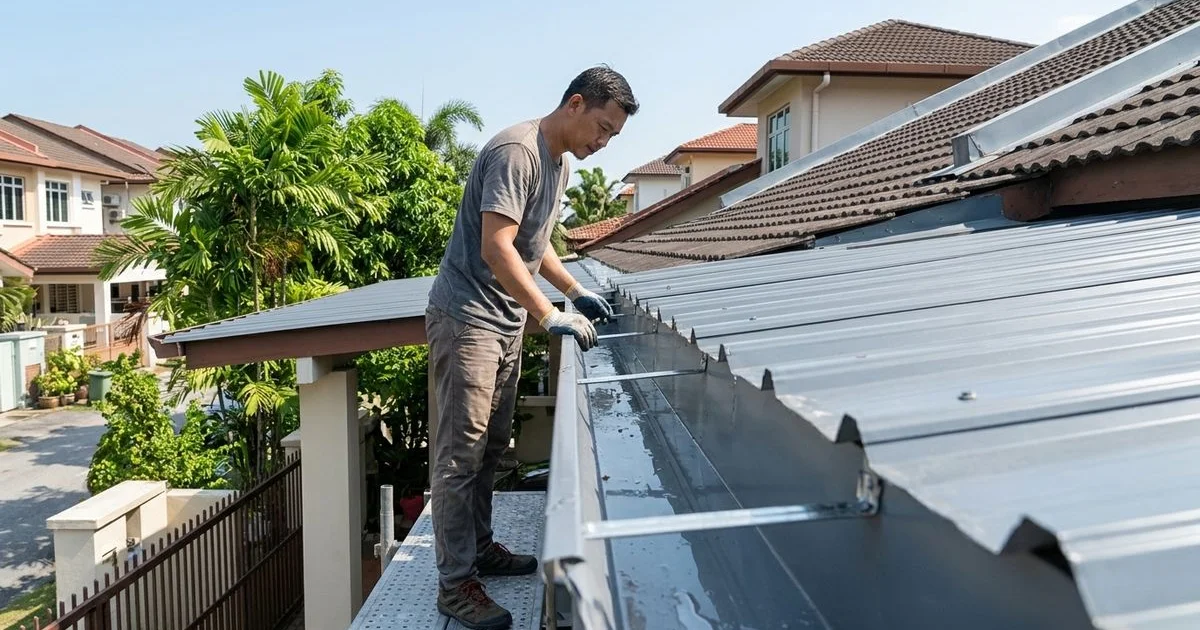
We see this common challenge constantly during the transition into the monsoon months. Most homeowners only think about their drainage systems when water starts pouring over the edges. By that point, the damage is already underway and the repair costs are mounting.
Our technicians understand that local roof gutters face uniquely harsh conditions.
The intense tropical sunlight and high humidity create a challenging environment for any exterior material. Without regular upkeep, even premium setups will develop severe problems within a few short years. We will outline the right gutter maintenance schedule for Malaysian homes, exploring the exact action steps needed to keep your property dry.
Why Malaysian Homes Need a Gutter Maintenance Schedule
Emergency repair calls surge the moment the heavy rains arrive. Malaysia receives a staggering average of 2,562 millimetres of rainfall annually based on recent climatic data. Our field teams frequently handle severe water damage that could have easily been prevented.
This immense volume of water puts extraordinary pressure on residential drainage channels. Standard unplasticised polyvinyl chloride, or uPVC, setups often crack under the strain of neglected debris. We constantly remind clients that leading local manufacturers design their products to last for decades, but only with proper care.
Their longevity absolutely depends on keeping the channels completely clear of blockages. Heavy tropical storms quickly deposit massive amounts of leaves from common shade trees like the Angsana right onto your roof. Our experience shows that this trapped sediment accelerates wear rapidly, leading to clogged and leaking gutters that force water to back up into the ceiling cavity.
Understanding Malaysia’s Rainfall Pattern
Building an effective routine requires knowing exactly when your system works the hardest. The country experiences two distinct monsoon seasons that dictate the timing of necessary cleanouts. We rely heavily on data from the Malaysian Meteorological Department to schedule our major project workflows.
- Northeast Monsoon (October to March): The primary wet season for the east coast and western areas, bringing heavy and sustained rainfall.
- Southwest Monsoon (April to September): Generally drier on the peninsula’s west coast, though inter-monsoon periods in April and October bring intense thunderstorms.
Severe weather events can sometimes drop up to 500 millimetres of rain in just a few days. Proper timing ensures your drainage network can handle these sudden deluges safely. Our service coordinators monitor these seasonal shifts closely to prepare properties for peak demand.
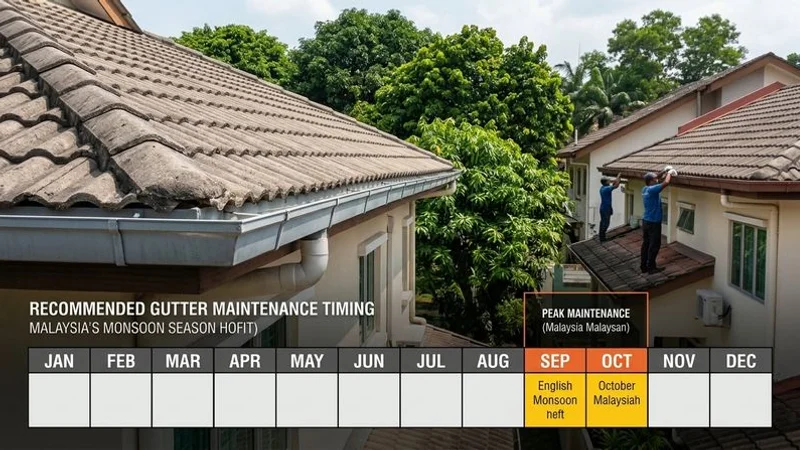
The Recommended Maintenance Schedule
Breaking the workload into manageable chunks prevents total system failure. Following this precise sequence guarantees maximum protection throughout the entire year. Our annual service calendar revolves around four critical periods designed to beat the weather.
September: Pre-Monsoon Deep Clean (Critical)
Completing a thorough service in September gives your home the highest chance of performing well through the wettest months. The approaching northeast monsoon demands a completely clear path for rapid water flow. We consider this the single most important maintenance event of the year.
- Remove all debris from gutters, including leaves, twigs, seed pods, and sediment.
- Clear all downpipes by flushing with a hose from the top.
- Inspect joints and seals on both Zincalume and uPVC profiles for gaps or cracks.
- Check bracket fixings and tighten any that have loosened.
- Test water flow by running a hose along the full length to confirm proper drainage.
Catching early signs of timber decay right now saves extremely expensive roof repair costs later. A standard plumber’s snake works perfectly for clearing any stubborn downpipe blockages. Our crews always examine the fascia board behind the channels for rot or insect damage during this step.
January: Mid-Monsoon Check
A mid-monsoon inspection helps catch problems before they worsen during the remaining wet months. Fine sediment and tiny leaves easily build up even with high-quality guards installed. We schedule these brief checkups in January because your materials have endured three solid months of heavy rainfall by this point.
- Clear any accumulated silt or granular debris.
- Look for overflow points by checking exterior walls for fresh water stains.
- Inspect downpipe outlets at ground level to ensure they remain unobstructed.
- Check for sagging sections weighed down by waterlogged debris.
April: Post-Monsoon Assessment
This is the perfect window to address any structural damage before the next severe weather cycle begins. High heat and constant moisture will rapidly worsen small cracks left untreated. We use the end of the main monsoon season to completely assess how the installation fared.
- Remove all organic matter that accumulated during the wet season.
- Replace cracked sections and reseal leaking joints promptly.
- Treat any rust spots on older metal systems before they spread.
- Clear drainage channels at ground level where downpipes discharge.
Noting these specific trouble spots helps professionals diagnose underlying pitch or capacity problems. Fixing a poor gradient is often a simple adjustment for an experienced contractor. Our final advice here is to carefully document any recurring overflow issues.
July: Mid-Year Maintenance (If Needed)
This provides additional protection and peace of mind during sudden summer storms. Local contractors are typically less busy during the drier months, making scheduling much easier. We highly recommend a fourth maintenance event in July for properties with heavy tree cover like mature Rain Trees.
- Perform a light sweeping of any minor leaf accumulation.
- Trim tree branches that have grown towards the roof line since your last trim.
- Schedule professional repairs for any issues identified during your April assessment.
- Install new upgrades or protective mesh.
The dry season serves as the ideal time to complete these protective installations. These affordable additions significantly reduce the volume of debris entering the flow path. We regularly source standard plastic mesh guards from local suppliers for about RM 25 per 6-meter roll.
The Five-Minute Monthly Visual Check
A simple visual check catches developing problems early without any ladder climbing required. Finding a slight sag or minor drip immediately keeps repair bills extremely low. Our team advises clients to perform quick ground-level inspections between scheduled cleanings.
- Walk around your home and look up at the roofline carefully.
- Look for visible debris protruding above the edge.
- Check for sagging sections that appear lower than the rest.
- Note any new damp stains on walls below the installation.
- Listen during rain for unusual splashing or dripping sounds.
Catching issues early easily saves thousands of ringgit in ceiling and foundation repairs. Consistent observation is the hallmark of proactive property management. We know this simple habit takes only five minutes and costs absolutely nothing.
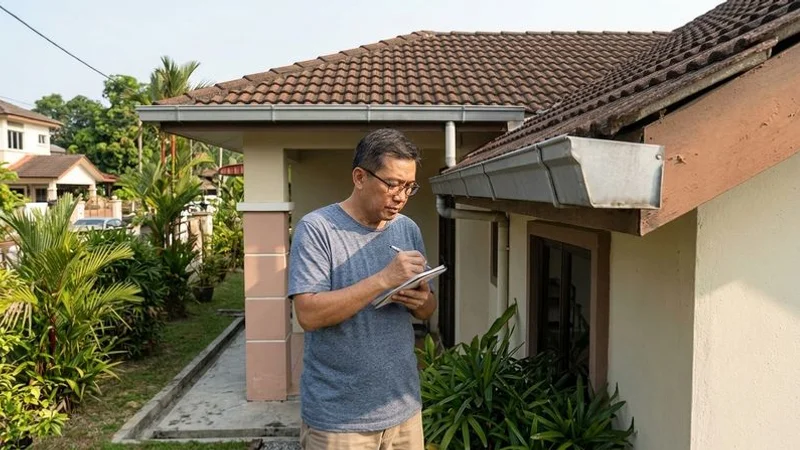
DIY vs Professional Maintenance
Basic clearing on a single-storey home is generally manageable for physically fit homeowners. Working safely requires using the right equipment and strict adherence to basic safety guidelines. We want to clearly outline when it is safe to tackle this job yourself.
Comparing DIY vs Professional Options
Evaluating the precise costs and benefits ensures you make a safe choice. The right decision depends heavily on your building height and personal comfort level. We created this quick comparison table to help you decide the best approach for your property.
| Feature | DIY Approach | Professional Service |
|---|---|---|
| Average Cost (2026) | RM 30 to RM 80 (for basic supplies) | RM 200 to RM 500 (standard terrace home) |
| Time Required | 3 to 5 hours | 1 to 2 hours |
| Equipment Used | Trowel, garden hose, basic ladder | Industrial vacuums like SkyVac, high-reach poles |
| Safety Risk | High (ladder falls are common) | Minimal (pros use safety harnesses and ground tools) |
| Best For | Single-storey homes, simple clear-outs | Multi-storey homes, major blockages, steep roofs |
When DIY Is Appropriate
You will need thick gloves to protect against sharp debris and potential insect bites. A small scoop, a sturdy bucket, and a standard garden hose complete the basic kit. We advise gathering all necessary tools before you even set up the ladder.
The immense pressure from a leaning ladder can instantly bend aluminium or snap a uPVC bracket. Always have someone stand at the base, wear non-slip footwear, and avoid working during wet conditions. Our strictest rule for homeowners is to never lean a ladder directly against the channel itself.
When to Call a Professional
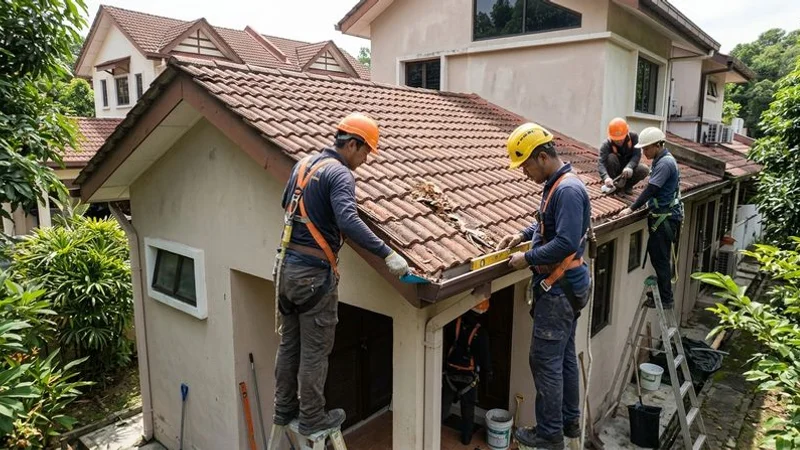
The risk of falls from height is significant and simply not worth taking. Specialized tools and extensive training are necessary for accessing steep roofs safely. We firmly recommend hiring professional rain gutter services for any multi-storey building.
Proper fitting is essential for protective guard installation to ensure total effectiveness. During an annual deep clean, experts use heavy-duty systems like the SkyVac to thoroughly flush the entire network. We handle joint resealing, bracket replacement, and section repairs efficiently because our technicians carry the right diagnostic tools.
The final price depends entirely on the property size and the exact level of service required. For the immense protection it provides against structural rot, this remains one of the most cost-effective property investments available. We track local market rates closely, and current 2026 pricing for a typical Klang Valley terrace house ranges between RM 200 and RM 500.
Common Maintenance Mistakes to Avoid
Even careful homeowners can make errors that severely reduce the lifespan of their drainage systems. Avoiding these specific pitfalls keeps your water flow optimal and your repair bills low. We constantly repair damage caused by well-intentioned but misguided cleaning attempts.
- Using a pressure washer inside the channel. The high pressure easily dents aluminium and cracks uPVC joints. Use a standard garden hose instead.
- Ignoring downpipes. Clearing the top section but leaving blocked vertical pipes simply moves the problem downstream.
- Neglecting installed mesh. Protective screens still need periodic sweeping because debris accumulates on top and blocks water entry.
- Delaying minor repairs. A small leak at a joint will never seal itself, so address it promptly before the gap widens.
- Flushing debris into downpipes. Always scoop out waste by hand rather than pushing it down the pipe where it creates massive blockages.
Creating Your Personalised Schedule
Your specific frequency depends entirely on the unique environmental factors surrounding your property. Adjusting your routine based on these variables guarantees far better long-term results. We recognise that the standard timeline works well for most, but some homes require a highly customized approach.
- Tree cover: Homes surrounded by large canopy trees need more frequent attention, potentially monthly during the leaf-shedding season.
- Material type: Older galvanised steel requires much closer inspection for rust than modern uPVC or premium aluminium.
- Roof pitch: Low-pitched designs tend to shed debris into the channels more steadily than steep, angled roofs.
- Property age: Heritage homes often feature undersized or deteriorating drainage networks that demand closer monitoring.
- Previous issues: If you experienced overflows recently, increase your visual checks until you resolve the root cause.
Start Today
If your property has not been serviced recently, start immediately with a thorough clean and inspection. Document the current condition, note any areas needing expert attention, and set calendar reminders for your future dates. Our team advises that the absolute best time to establish your routine is right now, regardless of the current season.
Your home or commercial facility represents a massive financial asset. Take action today to protect it with this reliable strategy, and reach out to a local specialist if you need a baseline inspection to get started. We assure you that following the right gutter maintenance schedule for Malaysian homes is far less expensive and disruptive than dealing with severe water damage.

Razif Ibrahim
Licensed Roofing Contractor
Lead roofing contractor with 20+ years of experience serving the Klang Valley.